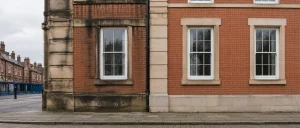
Staining on brick or stone can look simple from a distance. A dark patch, a white bloom or a rust coloured run may seem like something that only needs a quick wash.
In reality, different stains behave in different ways. Some sit on the surface, while others are drawn through the masonry by moisture, salts or old treatments. That is where specialist chemical masonry cleaning becomes useful, because the aim is not just to make the wall look brighter, but to choose a method that cleans without damaging the face of the material.
Why chemical cleaning is not the same as general washing
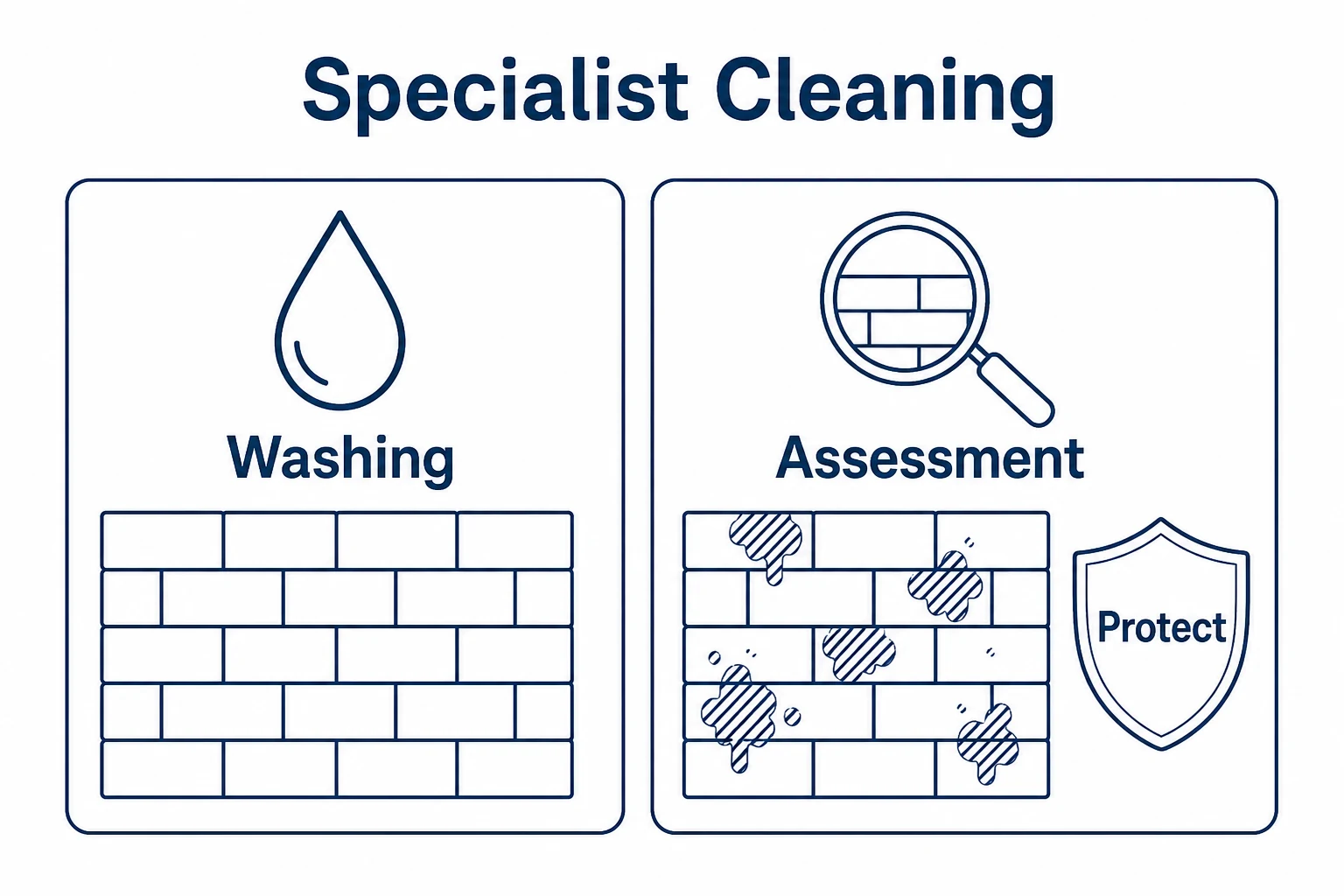
General washing can remove loose dirt, algae, dust and surface grime. It has its place, especially where the masonry is sound and the staining is light. Chemical cleaning is different because it uses selected cleaning solutions to break down or release staining that water alone will not shift.
The skill is in matching the product, dwell time and rinsing method to the masonry and the stain. Brick, natural stone, render, concrete details and mortar joints can all react differently. A solution that is suitable for one surface may mark another, so the process should begin with inspection rather than assumption.
For many properties, chemical cleaning is most useful where staining has bonded to the surface or reacted with it. This can include carbon deposits, cement residue, mineral staining, rust marks, some organic staining and certain residues left after building works. Paramount Pointing explains the core service on its chemical cleaning for brickwork and masonry page, which is a good starting point if the staining is more than ordinary dirt.
The point is control. Skilled cleaning does not mean using the strongest option available. It means using the correct option in the correct way, then rinsing and neutralising where needed so the masonry is left clean, stable and ready for any further repair work.
Stains that often need specialist assessment
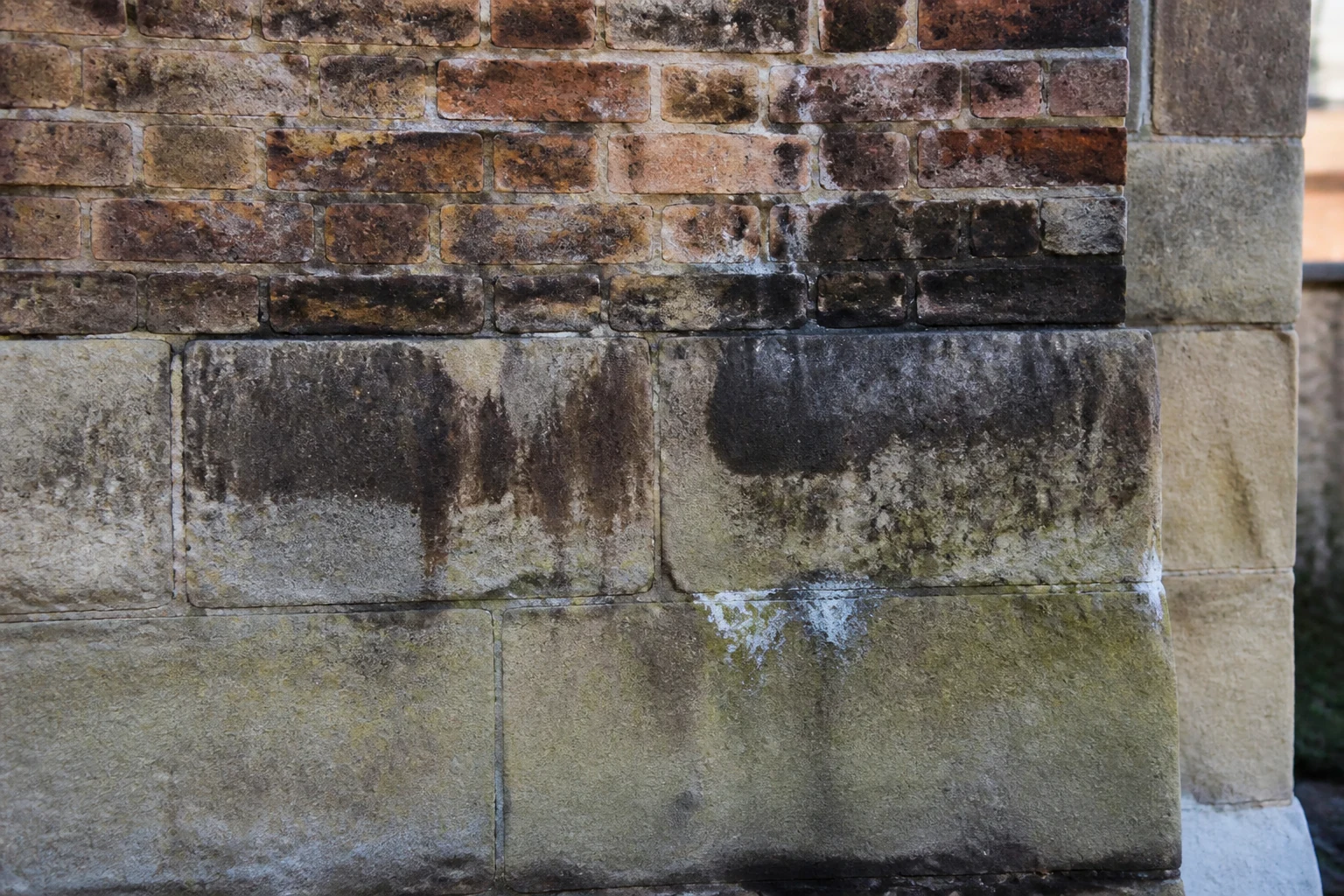
White marks are one of the most common reasons people start looking for masonry cleaning advice. They may be efflorescence, which appears when soluble salts move through damp masonry and crystallise at the surface. They may also be lime bloom, residue from previous works or staining linked to trapped moisture.
It matters because cleaning the mark without understanding the cause can lead to disappointment. If moisture is still moving through the wall, the white deposit may return. A specialist will look at the pattern of staining, the condition of the pointing, nearby copings, gutters, ground levels and any areas where water might be entering. The guide to white stains on brickwork and efflorescence gives useful background on why these marks appear.
Dark carbon staining can also call for chemical cleaning, particularly on older brick and stone where pollution has built up over time. The surface may look uniformly dirty, but there can be fragile areas beneath. A good cleaning plan will remove staining gradually, checking that the face of the masonry is not being opened up or scoured.
Rust staining, copper staining and run marks from metal fixings need care too. These stains can travel down the facade and bond into porous surfaces. The right chemical approach can reduce them, but the source should also be addressed, otherwise the staining can continue.
After building works, cement smears and mortar residue are another common issue. These marks are often stubborn because they harden onto the face of brick or stone. Chemical cleaning can help, but timing and concentration matter. Aggressive cleaning can roughen the surface, alter colour or damage adjacent mortar, so this is an area where experience is especially valuable.
When cleaning and repointing should be considered together
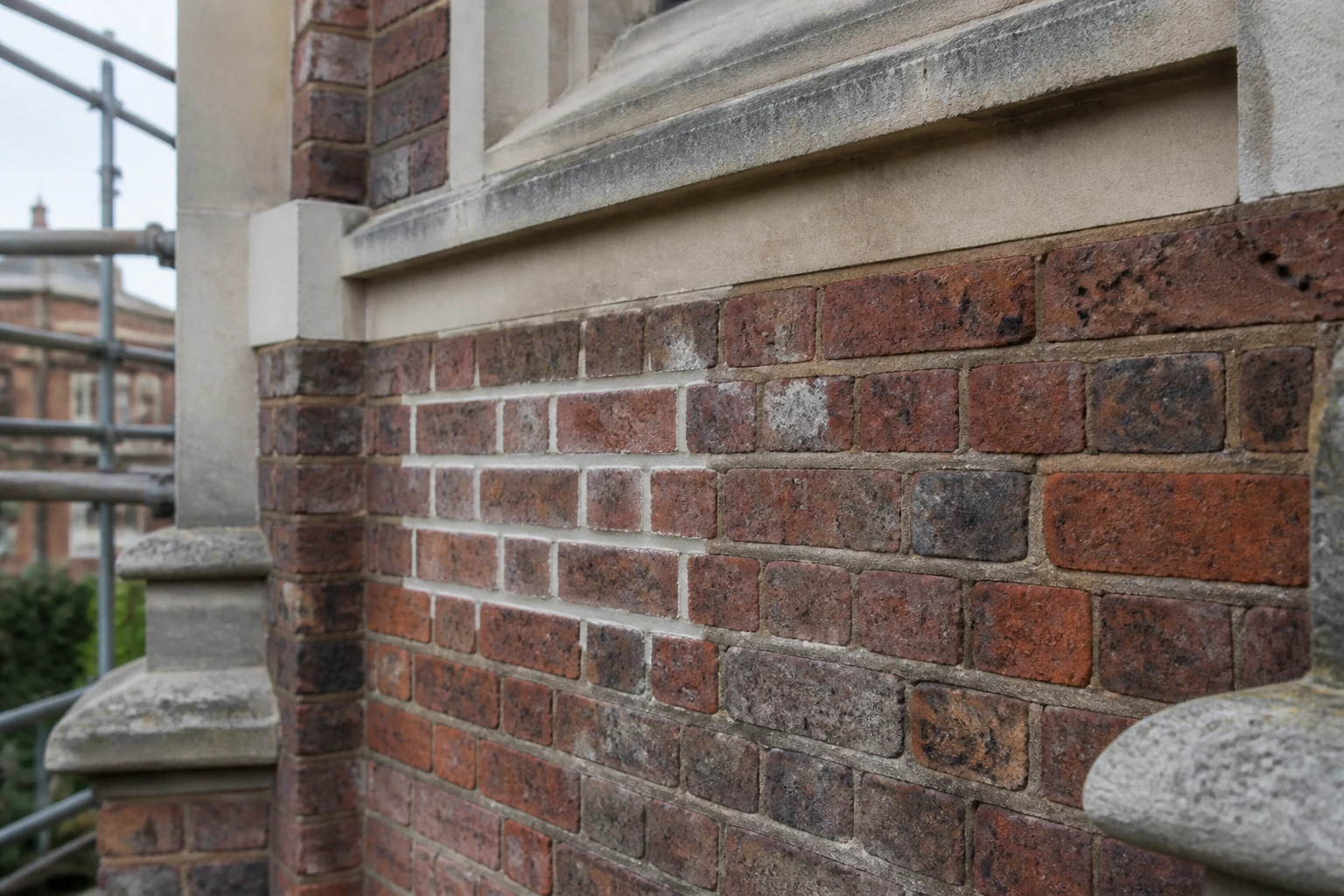
Staining is often connected to the condition of the joints. Open, cracked or recessed mortar can allow water into the wall. Once moisture is moving through the masonry, salts, soot and fine particles can be drawn to the surface. Cleaning may improve the appearance, but repointing may be needed to deal with the route that allowed the problem to develop.
This is why a stain should not be treated as a purely cosmetic issue. On older walls, the colour and texture of the joints can tell you a lot. Powdery mortar, gaps around bricks, loose edges and deep erosion are all signs that the wall may need repair as well as cleaning. The guide to signs your brickwork needs repointing or replacing is useful if staining appears alongside failing joints.
The order of work also matters. In some cases, cleaning first gives a clearer view of the masonry and helps identify damaged bricks or stone. In other cases, urgent pointing repairs may be needed before washing, so water and cleaning solutions are not driven into open joints.
Where lime mortar is present, care is needed with both cleaning and repair. Lime joints are breathable and flexible, which is part of why they are used on many older buildings. Cleaning methods should respect that breathability rather than sealing moisture in or weakening the joint edges.
A joined up approach gives a better result. The building is cleaned, the source of staining is considered, and any repair work supports the masonry rather than simply improving the surface for a short period.
How specialists choose the right cleaning method
A sensible chemical cleaning process begins with identification. The operative needs to understand what the wall is made from, what the stain is likely to be, how porous the surface is and whether previous coatings or treatments are present. Even two walls that look similar can respond differently once cleaning starts.
Small trial areas are often valuable. A test patch helps confirm whether the chosen solution is effective and whether the finish is acceptable. It can also show whether the wall has hidden colour variation beneath the dirt. This is important because cleaning should reveal the natural character of the material, not create an uneven or over cleaned appearance.
Control of water is another major part of the job. Pre wetting may be used to reduce absorption. Rinsing needs to be thorough so residues are removed from the surface and joints. Nearby materials such as glass, metal, timber, painted surfaces and planting may need protection before work begins.
Many projects also need a decision between chemical cleaning and other forms of facade cleaning. Some stains respond better to low pressure steam, gentle abrasive systems or a combined method. Paramount Pointing covers wider options for facade cleaning for brick, stone and render, which can help when the staining sits within a broader cleaning or restoration brief.
The best method is the one that removes the staining while preserving the surface. That balance is what separates skilled masonry cleaning from trial and error.
What a good outcome should look like
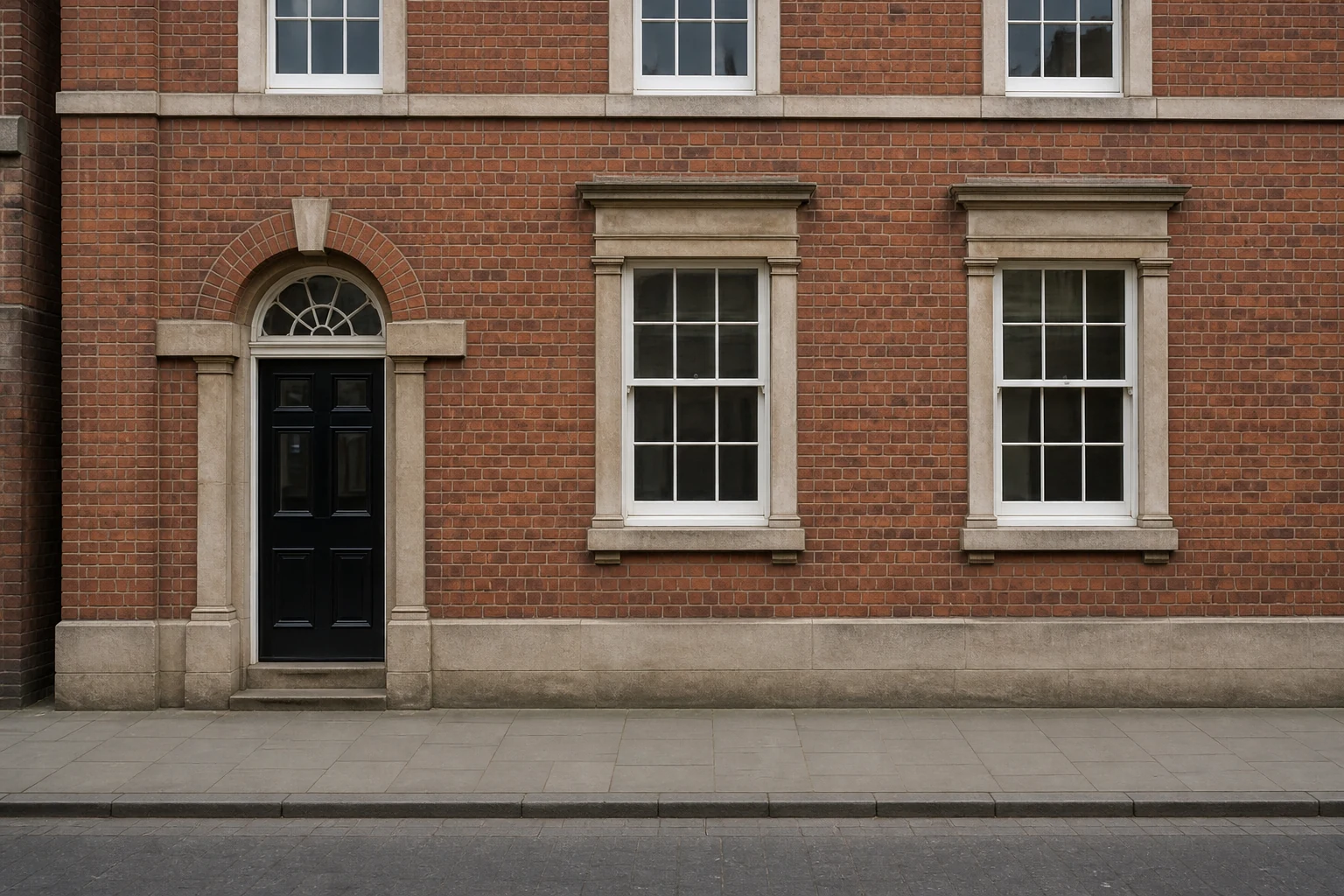
A successful clean should make the masonry look cared for, not stripped. Brick and stone have natural variation, weathering and texture. The goal is usually to remove harmful or unsightly staining while keeping that character intact.
Good results also depend on realistic expectations. Some deep stains can be greatly reduced rather than completely erased, especially if they have penetrated porous material over a long period. A specialist should explain this before work starts, so the desired finish is understood.
There should also be attention to what happens after cleaning. If staining was caused by blocked rainwater goods, failed pointing, poor drainage or metal corrosion, those issues should be part of the discussion. Otherwise the wall may look clean for a while, but the same forces can begin marking it again.
For property owners, the most useful approach is to treat chemical cleaning as part of masonry care. It can prepare a wall for repointing, improve the finish after repair work, remove stubborn residues and help reveal the true condition of the surface. Used well, it supports both appearance and building health.
- Chemical cleaning is most useful when stains are bonded to the masonry or will not respond to water based washing alone.
- White marks, rust staining, carbon deposits and cement residue should be assessed before any cleaning method is chosen.
- Staining can point to wider issues such as moisture movement, open joints or failed rainwater details.
- The safest results come from testing, controlled application, thorough rinsing and respect for the masonry type.
- Cleaning and repointing often work best when planned together rather than treated as separate jobs.
Frequently asked questions
Can chemical cleaning remove white marks from brickwork?
It can help with some white marks, but the cause needs to be understood first. If the marks are linked to salts and ongoing moisture movement, cleaning alone may not stop them returning.
Is chemical cleaning suitable for old brick and stone?
It can be suitable, provided the masonry is inspected and the method is chosen carefully. Older materials often need gentler control, testing and close attention to mortar condition.
Will chemical cleaning damage mortar joints?
Professional cleaning is planned to protect the joints as well as the brick or stone. Weak, open or powdery mortar should be identified before work begins, because repairs may be needed alongside cleaning.
Should staining be cleaned before repointing?
Sometimes yes, because cleaning can reveal the true condition of the masonry. In other cases, damaged joints may need attention first. The right order depends on the wall and the level of deterioration.
Need clear advice on masonry staining?
If staining is proving stubborn or you are unsure what has caused it, Paramount Pointing can assess the masonry and recommend a suitable cleaning approach before repair work begins.