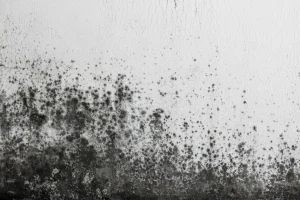
Damp issues in properties can cause significant damage if not addressed promptly. Understanding the signs of dampness and acting quickly to implement damp proofing solutions is crucial to maintaining the integrity of your home.
This blog aims to educate homeowners on recognising the early signs of dampness, enabling them to take proactive steps to protect their property.
Timely damp proofing can prevent a myriad of problems, from structural damage to health issues.
By identifying and addressing dampness early, you can save yourself from costly repairs and ensure a healthy living environment.
Common Causes of Damp
Rising dampness occurs when moisture from the ground rises through the walls of a building due to capillary action. This can be exacerbated by a lack of proper damp-proof courses or a failure in the existing damp-proofing system.
Penetrating damp, on the other hand, is typically caused by water infiltrating the building from external sources such as faulty guttering, leaking pipes, or damaged roofing.
Condensation is another common cause of dampness, particularly in homes with poor ventilation.
It occurs when warm, moist air comes into contact with cold surfaces, leading to the formation of water droplets. Over time, this can result in damp patches, mould growth, and damage to the building materials.
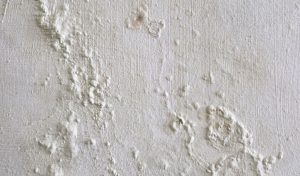
Visual Signs of Damp
One of the most obvious signs of dampness is discolouration or staining on walls and ceilings. These patches can range from light brown to dark yellow and are often accompanied by a musty odour.
Peeling or bubbling paint and wallpaper are also clear indicators that moisture is present behind the surface.
Damp patches that remain wet for long periods, even during dry weather, are another warning sign. These areas often feel cold to the touch and can lead to further damage if not addressed.
It’s essential to investigate and remedy the underlying cause to prevent the damp from spreading.
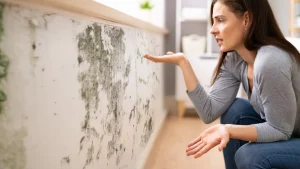
Structural Indicators
Crumbling or deteriorating plaster is a strong indication of ongoing damp issues. As the moisture seeps into the walls, it weakens the plaster, causing it to break apart and fall off.
This not only looks unsightly but can also compromise the structural integrity of your home if left unchecked.
Decayed skirting boards and timber are another red flag. When wood absorbs moisture, it becomes a breeding ground for rot and mould. Over time, this can lead to significant damage, requiring costly replacements.
Keeping an eye out for these signs can help you address damp issues before they escalate.
Health Implications
Damp environments can have serious health implications, particularly for those with respiratory issues. Exposure to mould and mildew spores can aggravate conditions such as asthma and lead to respiratory infections.
It’s crucial to maintain a dry, clean living space to safeguard your family’s health.
In addition to respiratory problems, damp and mould can trigger allergies, causing symptoms like sneezing, coughing, and skin rashes.
Prolonged exposure to these allergens can weaken the immune system, making it harder for your body to fight off other illnesses.
Secondary Effects
Musty odours are a common side effect of dampness and mould. These unpleasant smells can permeate your home, making it feel unwelcoming.
Additionally, these odours are often difficult to eliminate without addressing the underlying damp issue, requiring thorough cleaning and ventilation.
Damp can also create cold spots on walls, which can affect your home’s overall insulation. As a result, you might find yourself using more energy to heat your home, leading to higher utility bills.
Addressing damp issues promptly can improve your home’s energy efficiency and reduce your heating costs.
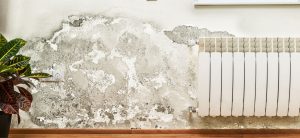
Preventative Measures
Regular property inspections can help you catch damp issues early. Look for signs of wear and tear in your building’s exterior, such as cracks in the walls or damaged roof tiles.
Ensuring proper ventilation is also key, as it helps to reduce condensation and maintain a dry environment.
Maintaining your guttering and drainage systems is another crucial preventative measure. Clear out any blockages regularly and ensure that water is being directed away from your property.
By taking these steps, you can prevent water from seeping into your walls and causing damp problems.
Conclusion
Recognising the signs that your property needs damp proofing is essential to preventing further damage and maintaining a healthy living environment.
From visual indicators like discolouration and peeling paint to structural signs such as crumbling plaster and decayed timber, being aware of these issues can help you take action quickly.
Seeking professional advice and implementing effective damp proofing measures can safeguard your property and ensure its longevity.
Don’t wait until the problem escalates—address damp issues promptly to protect your home and your health.