Natural stonework adds a timeless, elegant charm to properties, whether it’s part of your home’s exterior walls, pathways, or garden features. Stone such as sandstone, limestone, and granite is known for its durability, but that doesn’t mean it’s maintenance-free.
Over time, exposure to the British weather can take its toll, causing discolouration, erosion, and damage if left unchecked.
For homeowners, the good news is that a regular care routine can significantly extend the life and beauty of your stonework.
With a little attention throughout the year, you can prevent many of the common issues that affect natural stone, keeping it looking its best and structurally sound for decades.
Inspect Your Stonework Regularly
A visual inspection is the first and most important step in maintaining your stonework. Every few months, take a walk around your property and have a close look at any areas with exposed stone.
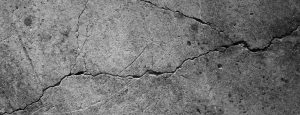
You’re checking for signs of cracks, crumbling mortar, surface stains, or any parts of the stone that appear damp or discoloured. These early signs of wear are often easy to address if caught in time.
It’s especially important to carry out inspections after extreme weather, such as heavy rain or freezing conditions, which can accelerate deterioration.
If you notice anything unusual, take a photo and monitor it over time, or better yet, contact a professional who can assess whether further action is needed.
Keep It Clean – But Gently
Keeping your stonework clean helps preserve its natural colour and prevents the buildup of harmful residues. That said, natural stone is porous and sensitive to abrasive methods.
Avoid using pressure washers, as these can strip away protective layers and even cause pitting or surface damage over time. Instead, use a soft-bristled brush and a mild soap solution – something pH-neutral and non-acidic – to gently lift surface dirt.
When rinsing, use a hose or bucket of clean water to wash away residue without applying force. Stubborn grime may require a specialist cleaning solution designed for stone surfaces.
For extensive dirt or long-standing stains, it’s worth hiring a professional stone cleaning service to avoid accidentally damaging the material with harsh products or incorrect techniques.
Deal With Moss, Algae & Lichen
In the damp British climate, moss, algae, and lichen are common issues on outdoor stonework, especially in shaded or north-facing areas.
While they might seem harmless, these growths retain moisture, which can lead to staining and even speed up the natural decay of the stone if left untreated. It’s best to remove them as soon as they appear.
You can treat affected areas using a gentle biological cleaner that’s safe for natural stone – avoid bleach or anything acidic.
Natural methods, like diluted vinegar or boiling water, can work on small patches, though they may take repeated applications. Once cleaned, you can apply a preventative treatment to discourage regrowth, but make sure it’s breathable so it doesn’t trap moisture within the stone.
Monitor & Maintain Pointing
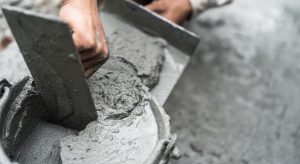
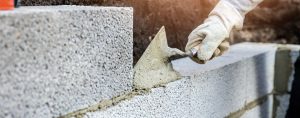
Pointing – the mortar that holds the stonework together – plays a vital role in protecting your walls from the elements. Over time, pointing can crack, erode, or fall away entirely, allowing water to seep in and damage the underlying structure.
During your routine inspections, check for loose, powdery, or missing mortar between the stones.
If you spot any problems, consider having the affected areas repointed using a mortar that matches the original in both strength and breathability.
For older or period properties, lime mortar is often preferable over cement-based alternatives, as it allows the wall to ‘breathe’ and move slightly with the changing seasons without cracking. Repointing is best left to professionals, especially on heritage stonework, to ensure a long-lasting finish that’s in keeping with the building.
Look Out for Water Damage
Water is the biggest enemy of natural stone, and it often works slowly and silently. Be on the lookout for signs such as efflorescence (a white, chalky residue), dark patches, or streaks that indicate water is soaking into or running down the stone.
This could point to problems with nearby guttering, downpipes, or poor drainage around the base of the wall.
It’s tempting to apply a sealant to protect the stone from water, but this must be done with caution. Non-breathable sealants can trap moisture inside the stone, causing more damage in the long run.
If sealing is required, always use breathable, vapour-permeable products designed specifically for natural stone, and consult a specialist beforehand to assess whether it’s necessary.
Protect During Winter Months
The freeze–thaw cycle is particularly damaging to natural stone. When water enters small cracks or porous surfaces and then freezes, it expands, causing the stone to crack or flake over time.
To reduce this risk, keep your stonework clear of snow, ice, and standing water during winter. Sweep away debris regularly to avoid moisture pooling in unwanted areas.
If certain parts of your stonework are particularly exposed to the elements, such as garden steps or low boundary walls, consider covering them with a breathable tarp or temporary cover during periods of frost or snow.
Make sure any covers still allow for airflow to prevent damp buildup underneath. Little protective measures like these can save you from larger repairs come spring.
Avoid Common Mistakes
Many homeowners unknowingly damage their stonework by using the wrong cleaning methods or materials. Acid-based cleaners, bleach, and wire brushes should all be avoided.
These might seem effective in the short term, but can etch or corrode the stone surface, leading to long-term discolouration and weakening.
Another common mistake is painting or sealing the stone with impermeable products, which prevents it from breathing. This can trap moisture inside, leading to spalling or internal decay.
Finally, ignoring small issues like minor cracks or moss patches may seem harmless, but these can quickly escalate if not dealt with early. When in doubt, always seek expert advice rather than risking a costly mistake.
Conclusion
Natural stonework is a stunning feature of any property, but it needs a bit of care and attention to stay that way.
With regular inspections, gentle cleaning, and an understanding of how weather and moisture affect the material, you can keep your stone in brilliant condition year after year.
By sticking to a simple maintenance routine and avoiding common pitfalls, you’ll not only protect your home’s appearance but also its structural integrity.
And when something seems outside your comfort zone, don’t hesitate to call in a specialist – a little expert help can go a long way in preserving the value and beauty of your property.