When damp appears inside a home, many people assume the cause must be a leaking pipe, condensation, or rising damp.
Those issues can certainly happen, but external brickwork is often overlooked. In many cases, worn or damaged mortar joints allow moisture to enter the walls and gradually make its way indoors.
Mortar joints play a quiet but important role in protecting your property from the weather. If they begin to crack, crumble, or fall away, rainwater can seep into the structure over time.
What starts as a minor external issue may eventually become a much more noticeable internal problem.
What Are Mortar Joints and Why Do They Matter?
Mortar joints are the lines of material placed between bricks or stonework to hold everything together securely.
They help distribute weight across the wall while also creating a seal against wind and rain. Without sound mortar, brickwork loses much of its protective strength.
Although bricks are durable, the mortar between them is often the part that wears out first.
Years of frost, rain, heat, and movement can slowly break it down. Once gaps begin to form, moisture has an easier route into the wall.
How Poor Mortar Joints Can Lead to Damp Indoors
When mortar becomes cracked or missing, rainwater can soak into exposed sections of the wall.
Masonry materials naturally absorb some moisture, but damaged joints allow far more water to enter than they should. Over time, this excess moisture may track through the wall and show up inside the home.
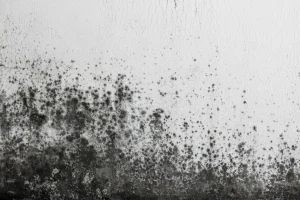
You might notice peeling wallpaper, bubbling paint, discoloured patches, or a persistent musty smell.
In some rooms, mould may begin to form where moisture levels stay high. These signs are often treated internally first, but unless the external cause is fixed, the damp is likely to return.
Warning Signs to Look for Outside the Property
A quick look at your external walls can often reveal early warning signs.
Crumbling mortar, visible cracks, gaps between bricks, or joints that appear recessed are all indicators that repairs may be needed. These issues tend to worsen if left exposed to further bad weather.
You may also notice loose bricks or small plants growing from the joints. Vegetation can trap moisture and widen existing gaps as roots develop.
If brickwork looks tired or uneven, it is sensible to have it inspected before water penetration becomes more serious.
Why Older Homes Are Often More at Risk
Older homes are commonly more vulnerable because the original mortar has simply reached the end of its service life.
Decades of rain, freezing temperatures, pollution, and general ageing can weaken joints significantly. Even solidly built properties can become susceptible if maintenance has been delayed.
Some period homes have also had unsuitable repairs carried out in the past. Hard cement mortar is sometimes used where softer lime mortar would have been more appropriate.
This can trap moisture in the wall and place stress on older bricks, leading to further damage rather than solving the problem.
How Repointing Can Help Solve the Problem
Repointing is the process of removing damaged mortar and replacing it with fresh, suitable mortar.
This restores the protective seal between the bricks, helping to keep water out of the wall. It can also improve the appearance of the property by giving tired brickwork a cleaner finish.
Carrying out repointing at the right time may prevent more expensive repairs later.
Once moisture gets deep into the structure, problems can spread to internal plaster, timber, and decoration. Addressing failing joints early is often the simpler and more cost effective route.
When to Call a Professional
If damp keeps returning despite repainting or using internal treatments, it is worth arranging a professional inspection.
A specialist can assess the condition of the brickwork, mortar joints, and surrounding areas such as chimneys or window reveals. This helps identify the true source of the issue.
Proper diagnosis is crucial because dampness can have multiple causes. Paying for cosmetic fixes indoors without checking the exterior may waste both time and money.
An experienced contractor can advise whether repointing, repairs, or another solution is the right next step.
Conclusion
Poor mortar joints can absolutely contribute to damp inside your home.
Once the protective barrier between bricks begins to fail, water has a far easier route into the property. Left untreated, small defects can develop into much larger issues.
Regular checks of your external walls and prompt maintenance can make a real difference.
If you have noticed damp patches indoors or crumbling mortar outside, seeking expert advice sooner rather than later is usually the wiser choice.