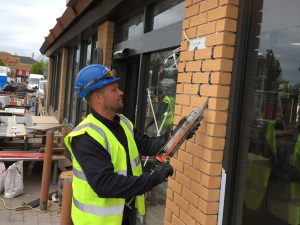
Preserve the strength and appearance of your property by understanding what causes mortar to deteriorate – and how expert repointing can make all the difference.
Brick walls have stood the test of time for centuries, but even the sturdiest brickwork can fall victim to the quiet, gradual process of mortar erosion. Mortar may not be as visually prominent as the bricks it supports, but it plays an equally vital role in the structure, insulation, and overall integrity of your home or building.
At Paramount Pointing & Restoration, we’ve seen how early intervention can prevent costly repairs. In this post, we’ll explain exactly what causes mortar to erode – and what you can do to protect your property.
What Is Mortar and Why Is It Important?
Mortar is the bonding material used to hold bricks or stones together. It’s typically made from a mixture of sand, cement and/or lime, and water. The purpose of mortar goes far beyond simple adhesion; it also cushions the bricks, absorbs slight movements in the structure, and keeps water out of the walls.
While bricks can last over a century, mortar tends to have a shorter lifespan — often between 20 and 50 years, depending on the quality of the original work and environmental conditions. When mortar begins to deteriorate, it compromises the entire wall’s performance and stability.

Top Causes of Mortar Erosion
1. Weather and Environmental Exposure
British weather can be brutal on mortar. Rain, wind and freezing temperatures are a perfect storm for degradation. Repeated freeze-thaw cycles, especially, are highly destructive. Water enters fine cracks in the mortar, freezes and expands, gradually breaking the joint apart over time.
2. Poor-Quality Mortar or Workmanship
Unfortunately, not all mortar is mixed or applied correctly. Common issues include an incorrect ratio of materials or using modern cement-based mortar on period properties originally built with lime mortar. This incompatibility can cause premature cracking and decay.
3. Natural Ageing
Over time, even well-applied mortar will wear down. Exposure to the elements gradually washes away finer particles in the mortar, leaving it soft, brittle, or even sandy to the touch. Older properties often require maintenance simply due to the passage of time.
4. Structural Movement
Ground movement, settlement or nearby vibrations can place stress on the mortar joints. When the structure shifts, the rigid mortar may crack or break, leaving gaps that water can easily exploit.
5. Biological Factors
Moss, ivy and other vegetation may seem harmless, but they hold moisture against the wall and penetrate joints, accelerating decay. Algae and lichen can also thrive in damp areas, further weakening the mortar.
6. Salt Crystallisation (Efflorescence)
Moisture moving through bricks and mortar can carry salts to the surface. As the water evaporates, salts crystallise, causing internal pressure and flaking. This is not only unsightly but can also lead to surface erosion.
Signs Your Mortar May Be Failing
- Mortar appears crumbly, dusty, or flaky.
- Gaps form between the bricks.
- Dampness or water ingress in internal walls.
- Bricks feel loose or unstable to the touch.

Why It’s Important to Address Mortar Erosion Early
Delaying repairs can lead to water infiltration, heat loss, and even structural instability. Minor erosion is inexpensive to fix – but left untreated, it could mean extensive repointing or even rebuilding sections of wall.
Moreover, deteriorating mortar affects your property’s appearance and value. Repointing not only restores strength but also significantly improves kerb appeal.
Why It’s Important to Address Mortar Erosion Early
The primary solution is repointing – the process of removing old, damaged mortar and replacing it with new mortar that matches the original in both appearance and properties. It’s essential to use the correct type of mortar, especially on period homes where lime-based materials allow breathability and flexibility.
A professional assessment is always recommended to determine the extent of erosion and choose the appropriate restoration method.
Why Choose Paramount Pointing & Restoration?
At Paramount Pointing & Restoration, we specialise in restoring brickwork across the UK with expert care and attention to detail. Whether you’re dealing with subtle mortar erosion or severe joint failure, our team delivers:
Traditional craftsmanship with modern expertise.
Specialist knowledge of lime and cement mortars.
Tailored advice based on your property’s age and location.
Reliable, long-lasting results using high-quality materials.
We understand the character of older buildings and the precision required to preserve them. Our repointing services are designed to protect your investment while enhancing the visual appeal of your home.
If you suspect your mortar is deteriorating, don’t wait for it to worsen. Contact Paramount Pointing & Restoration today for a no-obligation consultation and see how we can bring your brickwork back to life.