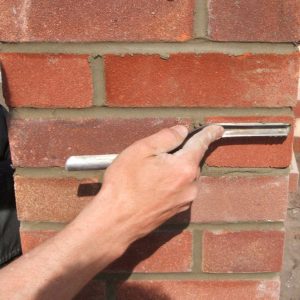
Pointing is the process of repairing or renewing the mortar joints between bricks or stonework. While it’s often associated with keeping walls looking neat and tidy, pointing plays a much bigger role in the overall performance of a property.
When the mortar begins to crack, crumble, or fall away, not only does the building’s appearance suffer, but its structural integrity and comfort can be compromised, too.
What many homeowners don’t realise is that poor pointing can also affect energy efficiency. If mortar joints are damaged, small gaps open up that allow draughts and moisture to creep into the home.
This can make interiors harder to heat, increasing reliance on central heating. With rising energy bills a concern for most households, the question is worth asking: can repointing help you save money on your energy costs?
Understanding Pointing and Heat Loss
Damaged mortar joints act as tiny entry points for cold air and moisture, weakening a property’s natural insulation. Even if the brickwork itself is strong, cracks in the pointing create pathways where warm air escapes and cold air seeps in.
This process not only undermines thermal comfort but also forces heating systems to work harder to maintain a stable temperature indoors.
The result of this gradual heat loss is usually felt in higher energy bills. Homeowners might notice that rooms near external walls feel colder, particularly in older properties with no cavity insulation.
Over time, the combined effect of gaps in the pointing can make a significant difference to how much energy a household consumes, especially during the winter months.
The Role of Repointing in Energy Efficiency
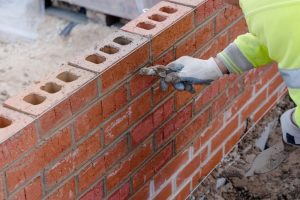
Repointing is a straightforward yet highly effective way of sealing those unwanted gaps and restoring the wall’s protective envelope. By removing weakened mortar and replacing it with fresh material, the brickwork becomes stronger, tighter, and less prone to draughts.
This creates a more stable indoor environment where heat is retained more effectively.
It’s also worth noting that the choice of mortar makes a difference. For traditional properties, lime mortar is often recommended as it allows the walls to breathe while still protecting against weather and air leakage.
Cement-based mortars can be more rigid, but when used in the right context, they still improve insulation by preventing warm air from escaping through gaps. The key is to match the mortar type to the building to balance breathability and efficiency.
Other Energy-Saving Benefits of Repointing
Repointing doesn’t just help with draughts; it also plays a role in tackling dampness. When mortar is compromised, water can enter walls, leading to cold patches, condensation, and even mould growth.
These problems not only harm indoor comfort but can also create the feeling of a colder home, prompting greater use of heating. By ensuring mortar joints are sound, you reduce the risk of moisture entering your property.
Furthermore, solid and well-maintained pointing allows any existing insulation to perform at its best. If there are gaps and cracks in the walls, insulation may not work effectively because of airflow bypassing it.
With repointing, the insulation can trap and retain heat more efficiently. This combination of stronger walls and effective insulation means homeowners can enjoy both lower energy usage and a more comfortable living environment.
Cost vs Savings: Is Repointing Worth It?
Like any home improvement, repointing requires an upfront investment, and costs vary depending on the size and condition of the property. However, it’s important to weigh this against the long-term benefits.
Repointing strengthens your home’s envelope, helping you reduce heating bills year after year. Over time, the savings on energy costs can go some way towards offsetting the initial outlay.
Beyond energy savings, repointing also prevents costly structural repairs down the line. Crumbling mortar left untreated can lead to water ingress, brick decay, and even damage to internal finishes.
By investing in professional repointing now, you not only reduce your energy bills but also protect your home from far more expensive problems in the future.
When Should You Consider Repointing?
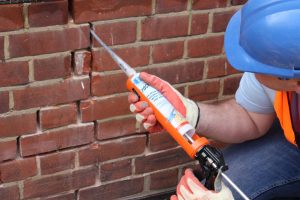
It’s not always obvious when repointing is needed, but there are some clear warning signs. Look out for mortar that is cracked, loose, or missing in places. You might also notice draughts indoors, uneven heating, or damp patches along exterior walls.
These are all indicators that the mortar joints are failing and could be affecting your property’s efficiency.
Timing is also an important consideration. Spring and summer are generally the best seasons for repointing as the weather is dry and mild, allowing the mortar to set properly.
Having your walls inspected by a professional is the best way to know whether your home would benefit from repointing, as they can provide tailored advice and ensure the work is carried out to a high standard.
Conclusion
Repointing is often viewed as a cosmetic or structural task, but it’s clear that it also has a direct impact on energy efficiency. By sealing gaps, preventing draughts, and keeping moisture at bay, repointing can make your home more comfortable and help reduce reliance on heating systems.
This, in turn, can lead to lower energy bills, making it a smart long-term investment.
For homeowners worried about rising energy costs, repointing should be considered as part of a wider energy efficiency strategy. While it won’t replace the need for insulation or double glazing, it supports them by ensuring your property’s brickwork is performing as it should.
If your energy bills are climbing or your mortar is showing signs of wear, now may be the perfect time to arrange a professional inspection.