
Stone has been a mainstay of British architecture for centuries, admired for its natural beauty, durability and historical significance.
From grand cathedrals to intricate townhouses, stone buildings are scattered throughout towns and cities, proud symbols of craftsmanship and heritage. But as urban environments evolve, these structures are facing increasing threats – not just from time but from the very air around them.
In densely populated areas, pollution has become a constant problem, affecting not just public health but the condition of our built environment.
This blog looks at how pollution affects stone buildings, what causes the damage and what can be done to protect these important structures.
Types of Stone Found in the UK
The UK is home to many types of natural stone used in construction, with limestone, sandstone and granite being the most common.
Each of these stones has its characteristics – limestone is soft and easy to carve, sandstone is durable with good weather resistance, and granite is hardwearing and less porous.
They’re used in everything from churches to homes, so they are a big part of British architectural identity.
But these materials also have weaknesses. Porous stones like limestone and sandstone are particularly vulnerable to environmental contaminants, which can seep into the surface and cause chemical reactions.
Even tougher stones like granite, although more resistant, are not immune to long-term exposure to polluted air.
What Is Pollution?
Pollution, in the context of buildings and stonework, means airborne pollutants such as sulphur dioxide, nitrogen oxides and particulate matter from vehicles and industrial activity.
When these substances combine with moisture in the air, they can form acidic compounds that settle on building surfaces.
This type of pollution is most prevalent in urban areas where emissions are concentrated.
Over time, these pollutants interact with stonework, causing surface degradation and discolouration that can seriously diminish a building’s appearance and integrity.
How Pollution Affects Stonework
One of the most damaging effects of pollution on stone is the chemical reaction between acidic rain and the minerals in the stone.
Acid rain, created when pollutants mix with atmospheric moisture, reacts with calcium carbonate in limestone and sandstone, causing surface etching, crumbling and accelerated erosion.
In addition to chemical degradation, pollution can also cause visible staining and black crusts on the stonework’s surface.
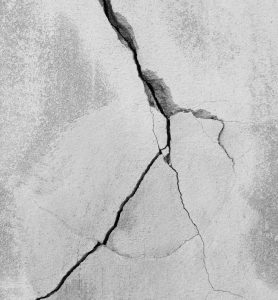
These deposits not only ruin the appearance of buildings but also trap moisture, which can freeze and expand in colder months, causing further physical damage such as cracking or flaking.
Prevention & Restoration Techniques
Fortunately, modern cleaning techniques offer safe and effective ways to remove pollutants from stone surfaces.
Methods like DOFF steam cleaning, TORC gentle abrasion, and poultice applications can be used to clean without damaging the underlying stone. Conservation specialists use these approaches, which are recommended for listed or heritage properties.
To prevent future damage, protective coatings and water repellents can be applied to stonework to repel moisture and reduce pollutant absorption. Property owners should also schedule regular inspections and maintenance, especially in high-traffic urban areas.
On a broader scale, reducing vehicle emissions and improving urban air quality is key to long-term preservation.
Conclusion
It’s clear that pollution affects stone structures – both visually and structurally. The combination of chemical reactions, moisture retention and physical erosion can cause significant damage if left unchecked, especially in porous stones commonly used in the UK.
By understanding the risks and taking a proactive approach to maintenance, property owners and conservationists can protect these important buildings for future generations.
Regular cleaning, protective treatments and broader environmental awareness all play a part in preserving Britain’s stone-built heritage.